How to Hydrate Effectively: The Complete Guide to Cellular Hydration and Radiant Skin
It’s common to think hydration starts and ends with drinking water. While water is the foundation of good hydration, it’s also helpful to understand how your body processes fluids, especially when it comes to maintaining radiant skin, stable energy, and mental clarity. This includes knowing when you might need additional support beyond plain water, such as after intense exercise or in hot weather.
In this comprehensive guide, we’ll cover how to hydrate effectively, signs of dehydration you might miss, and how hydration plays a key role in skin health. We’ll also explore additional hydration support options, like hydration powders, that may help with your fluid intake goals. Additionally, we’ll discuss topical care products, like copper peptide creams, that may support natural skin repair processes and collagen production. Plus, we’ll discuss why proper hydration is especially crucial for those taking GLP-1 medications.
What Is Proper Hydration, Really?
Your cells need adequate hydration to function properly. Plain water is typically sufficient for daily hydration needs. However, in certain situations, such as after intense exercise, during illness, or in hot climates, electrolytes like sodium, potassium, and magnesium can help support your body’s fluid balance.
Rather than just following a general rule like eight glasses a day, it’s helpful to understand how your individual body responds to different hydration approaches based on your activity level, climate, and health status.
Potential Benefits of Cellular Hydration:
- Can promote cellular function
- Hydration promotes cartilage rehydration essential for joint function.
- May support healthy, resilient skin
- Can contribute to mental well-being
What Are The Signs of Dehydration?
Feeling thirsty isn’t the only sign that your body may need more fluids. Mild dehydration often shows up in subtle ways. Some people may experience these dehydration signs and symptoms:
- Low energy or brain fog in the afternoon
- Headaches
- Constipation
- Muscle cramps
- Dry skin or dull complexion
- Sugar cravings
- Dark yellow urine
- Dizziness when standing up
- Decreased skin elasticity
These symptoms may improve with proper hydration, but persistent issues should be evaluated by a healthcare professional.
Research suggests that chronic underhydration may be associated with accelerated aging and health concerns. An NIH study following more than 15,000 adults aged 45–66 for over 25 years found that people with higher serum sodium levels (indicating dehydration) showed increased health risks. The study associated elevated serum sodium levels with higher likelihood of developing various chronic health issues, including heart failure, dementia, chronic lung disease, and stroke.
How to Support Your Hydration?
If you’re feeling sluggish or think you may need more fluids, here are some general approaches that may help support your hydration:
Add Minerals to Your Water
Consider including a small amount of salt and a squeeze of lemon for flavor. This combination may provide trace minerals, and some people find it refreshing.
The question ‘how much salt to add to water for hydration’ comes up frequently. Some people find that a small amount of salt and natural sugars may help with fluid retention, though individual needs vary.
Before making any changes to your diet or hydration habits, including adding salt, it’s important to check with your healthcare provider. They can provide personalized advice based on your overall health.
DIY Electrolyte Water Recipe:
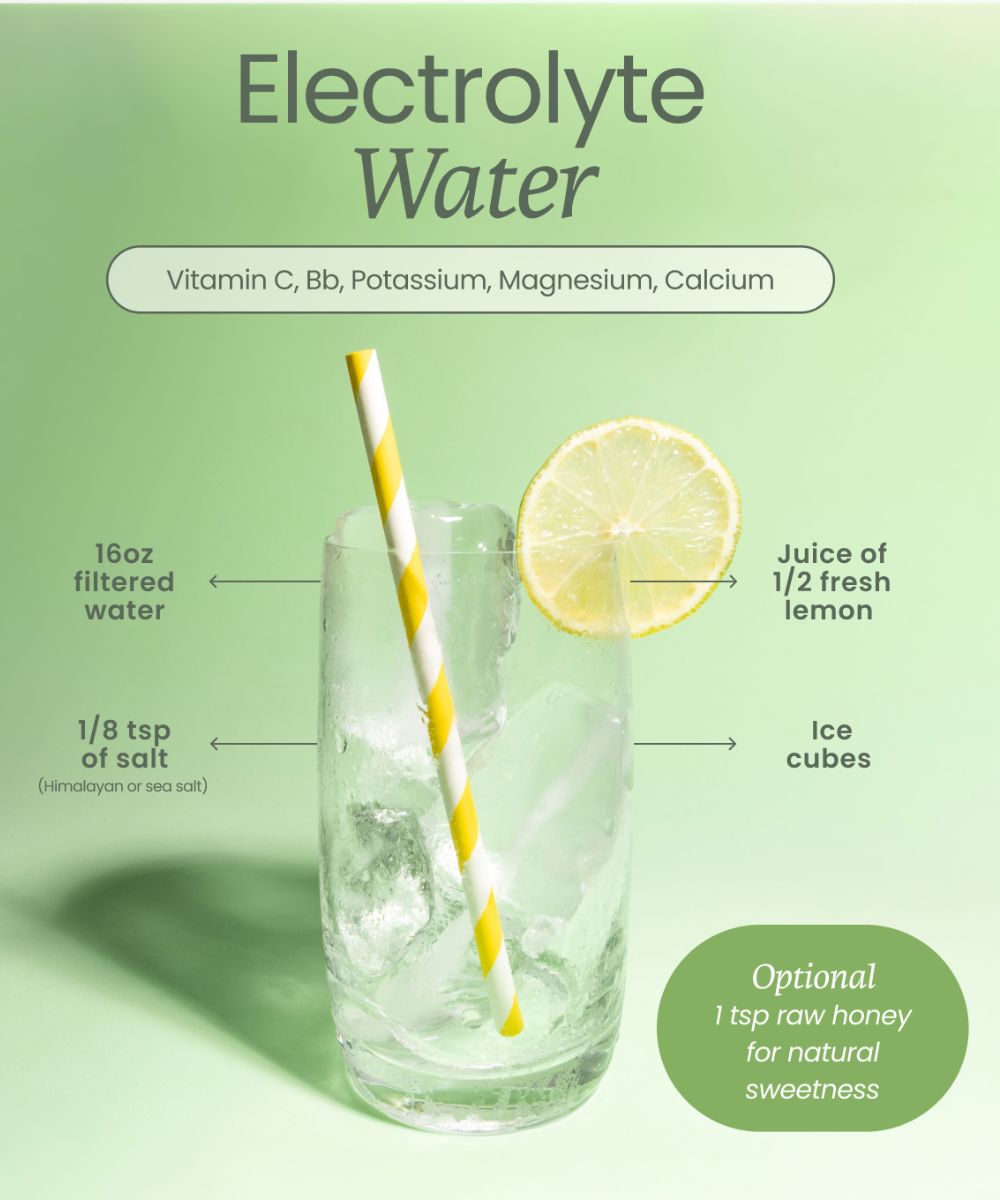
This recipe may be used after intense exercise, during hot weather, or when people feel they want additional minerals:
- 16 oz filtered water
- 1/8 tsp of salt (such as Himalayan or sea salt)
- Juice of 1/2 fresh lemon
- Ice cubes
- Optional: 1 tsp raw honey for natural sweetness
Mix all ingredients until salt dissolves completely. This homemade option may provide electrolytes when you need extra support beyond plain water. For daily hydration, plain water is typically sufficient for most people.
Use Electrolyte Powder Packets
If you choose to use electrolyte supplements, look for options without excessive sugar or artificial ingredients. Electrolyte powders may be useful in specific situations such as, after intense or prolonged exercise or during hot weather when you’re sweating significantly.
Always consult with your healthcare provider before regular use, especially if you have any underlying health conditions or take medications that may affect fluid balance.
Eat Hydrating Foods
Eating fresh fruits and vegetables with electrolytes, like spinach, watermelon, and avocados, are naturally high in water and minerals. These foods may complement your hydration routine and provide additional nutrients.
Spread Hydration Throughout the Day
Sipping small amounts consistently may help your body process fluids more comfortably than consuming large volumes at once. This method can assist in keeping your fluid intake consistent throughout the day.
What Are Some Hydrating Drink Options?
Not every beverage works the same way for hydration needs. Below are some options that many people find helpful:
- Water with electrolytes (containing sodium, potassium, magnesium) – can help with fluid retention
- Coconut water – includes naturally present electrolytes and potassium
- Homemade hydration drink with salt and lemon – cost-effective alternative
- Sugar-free electrolyte powders – convenient for busy lifestyles
Avoid These When Hydrating:
- Caffeinated beverages (can have mild diuretic effects)
- Alcoholic drinks (dehydrating)
- High-sugar sports drinks (can slow absorption)
Hydration With Electrolyte Support
If you’re looking for a convenient way to add electrolytes to your daily routine, a hydrating electrolyte powder may be an option to consider, especially after exercise, during hot weather, or when you’re feeling depleted.
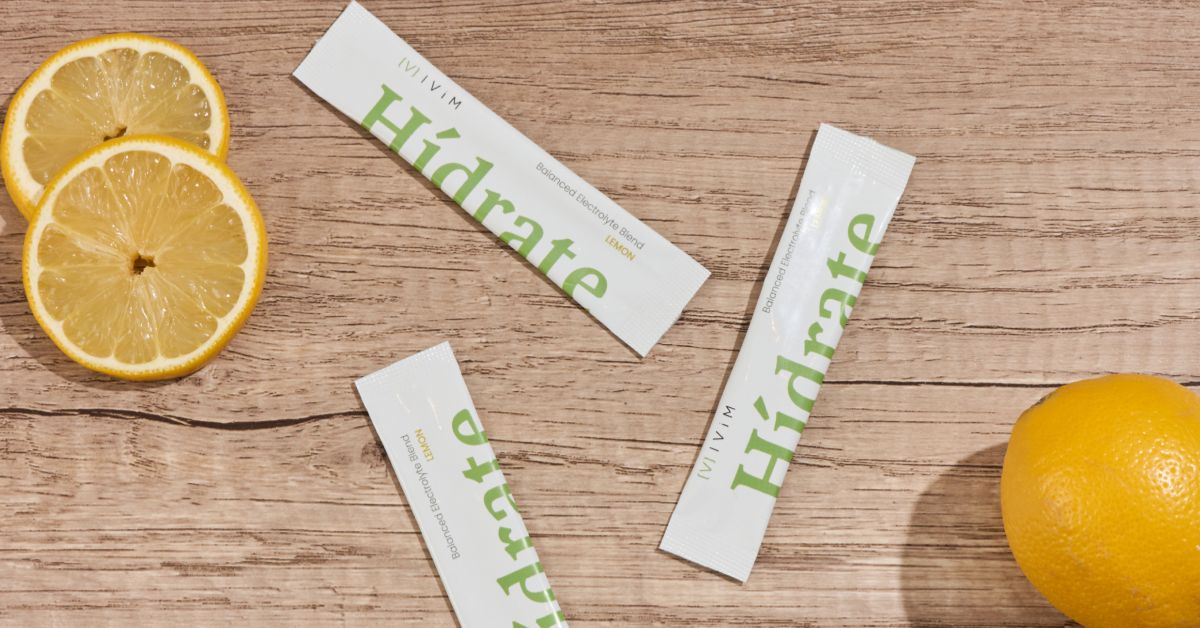
Ivim Health’s electrolyte powder, Hidrate, is specifically formulated with:
- Magnesium bisglycinate
- Potassium citrate
- Sodium from Himalayan sea salt
- B-complex
- Taurine and zinc
This formula is designed without added sugar or artificial ingredients and comes in single-serve stick packs that dissolve easily in water. When choosing any hydration powder, you may want to look for clean-label options without additives.
Hydration and GLP-1 Medications: Why It’s Extra Important
For those on GLP-1 medications like Zepbound®, or Wegovy®, plain water with small, frequent sips may be the best approach, with electrolyte support only when recommended by your healthcare provider.
Why GLP-1 Users May Want to Pay Extra Attention to Hydration:
- Reduced appetite might result in consuming fewer fluids
- Slower digestion may affect how fluids are processed
- Nausea (a common side effect) may make it harder to drink enough fluids
GLP-1 Drink Recommendations:
- Start with small, frequent sips throughout the day
- Stick to smaller sips rather than drinking too much at once, as excess fluid may intensify GLP-1 nausea for some people
- Consider room temperature or slightly warm fluids if cold drinks are off-putting
If you’re on GLP-1 medications, work with your healthcare provider to ensure you’re meeting your hydration needs safely and effectively.
Skin Hydration: The Inside-Outside Connection
One of the most visible effects of hydration, or lack of it, may show up on your skin. Skin that lacks proper hydration can look lackluster, feel dry or tight, and may be more susceptible to flaking and fine wrinkles. Proper hydration may support the skin’s barrier function, helping it retain moisture and protect against environmental stressors.
Ways to Hydrate Skin Internally:
- Drink water and eat hydrating foods
- Include omega-3 fatty acids in your diet
- Be mindful of overconsuming caffeine or alcohol, as both may contribute to dehydration
- Consider discussing skin hydration supplements with your healthcare provider
How to Hydrate Your Skin Topically:
- Limit frequent washing and steer clear of strong cleansers that can remove your skin’s protective oils
- Apply a moisture-rich product that suits your specific skin needs
- Apply formulas to damp skin which may assist with moisture absorption
- Look for formulas containing skin-supporting ingredients
Topical Support for Skin Hydration
While internal hydration is important, pairing it with effective skincare may enhance your routine. GHK-Cu, a copper-based peptide, is used in some skincare products and is of interest to skincare researchers because of its potential to improve collagen and elastin production.
Ivim Health’s Cú Skin Cream is formulated with:
- GHK-Cu copper peptide
- Aloe vera and MCT oil to help attract and retain moisture while softening the skin
- Vitamin E and plant-based antioxidants for additional skin support
If your skin feels dry or you’re looking to enhance your skincare routine, adding a copper peptide cream may complement your hydration habits.
Daily Habits to Stay Hydrated and Radiant
Small, consistent healthy habits might enhance your routine. Consider these fluid strategies that extend beyond basic water consumption:
Morning Hydration:
- Begin each day by consuming 16 to 20 ounces of plain water
- Many individuals find that plain water meets their early-day fluid needs
- Wait 30 minutes before coffee or tea
Throughout the Day:
- Keep a water bottle you love using
- Set hydration reminders on your phone
- Eat water-rich foods at meals and snacks
Evening Routine:
- Taper fluid intake 2 hours before bed
- Use a hydrating face moisturizer
- Keep water by your bedside for nighttime sips
The Benefits of Proper Hydration
Keeping your body well-hydrated may support various aspects of wellness, and some people report:
- May support more consistent energy levels throughout the day
- Can contribute to healthier-looking skin
- May assist with comfortable digestion and regularity
- Can help with mental clarity and focus
- May support physical performance during activities
- May help support general immune system function
Final Thoughts
True hydration is more than just how much water you drink. It’s about giving your body what it needs to actually absorb and use that water effectively, from minerals and electrolytes to skin-supporting nutrients. Whether you’re looking to support energy, digestion, skin health, or mental clarity, starting with thoughtful hydration habits may be beneficial.
With a few intentional approaches, like building in simple habits, choosing skin-supportive skincare, considering electrolyte powders when safe and paying special attention to hydration needs if you’re on GLP-1 medications, you can build a hydration routine that works for your body and your lifestyle.
Remember, the best hydration strategy is one you can maintain consistently. Start with small changes, listen to your body, and adjust as needed to find what works best for your lifestyle and health goals. At Ivim Health, we’re committed to providing hydration solutions that may support your wellness journey.
Reviewed by Courtney Floyd, MD, Physician at Ivím Health
Disclaimer:
This post is for educational purposes only and not intended as medical advice. Individual results may vary. Products mentioned have not been evaluated by the FDA and are not intended to diagnose, treat, cure, or prevent any disease. As with any supplement or skincare product, discontinue use if irritation occurs. Always consult your healthcare provider before beginning a new supplement or skincare routine, especially if you have underlying health conditions or take medications.
Sources:
- “How Much Water Should You Drink?” Harvard Health Publishing, www.health.harvard.edu/staying-healthy/how-much-water-should-you-drink.
- Häussinger, D. “The Role of Cellular Hydration in the Regulation of Cell Function.” Medical University Clinic, Heinrich Heine University, Düsseldorf, Germany, PMC, 1996, https://www.ncbi.nlm.nih.gov/pmc/articles/PMC1216967/.
- Wang, Qing, et al. “An Ultrasound Study of Altered Hydration Behaviour of Proteoglycan-Degraded Articular Cartilage.” BMC Musculoskeletal Disorders, vol. 14, no. 289, 11 Oct. 2013, https://doi.org/10.1186/1471-2474-14-289. PMC, https://www.ncbi.nlm.nih.gov/pmc/articles/PMC3819513/.
- Akdeniz, M., et al. “Does Dietary Fluid Intake Affect Skin Hydration in Healthy Humans? A Systematic Literature Review.” Skin Research and Technology, vol. 24, no. 1, Feb. 2018, pp. 3–12, https://doi.org/10.1111/srt.12454.
- Armstrong, Lawrence E., et al. “Mild Dehydration Affects Mood in Healthy Young Women.” Journal of Neuroscience Research, vol. 101, no. 3, 2023, pp. 678–686, https://doi.org/10.1016/j.jneurosres.2022.12.015.
- Armstrong, Lawrence E., et al. “Mild Dehydration Affects Mood in Healthy Young Women.” Journal of Neuroscience Research, vol. 101, no. 3, 2023, pp. 678–686. ScienceDirect, https://www.sciencedirect.com/science/article/pii/S0022316622028899.
- “Symptoms of Dehydration: What They Are and What to Do If You Experience Them.” Harvard Health Publishing, www.health.harvard.edu/staying-healthy/symptoms-of-dehydration-what-they-are-and-what-to-do-if-you-experience-them.
- “Link Between Hydration and Aging.” NIH Research Matters, U.S. National Institutes of Health, 24 Jan. 2023, https://www.nih.gov/news-events/nih-research-matters/link-between-hydration-aging.
- Smith, Molly. “Why Are People Adding Salt to Their Water for Hydration?” Health & Wellness, Loma Linda University Health, 19 Jan. 2024, https://news.llu.edu/health-wellness/why-are-people-adding-salt-their-water-for-hydration.
- “Foods With Electrolytes.” EatingWell, BigDish Brands, www.eatingwell.com/foods-with-electrolytes-8645417.
- Cherney, Kristeen. “Dehydrated Skin: Symptoms, vs. Dry Skin, Test, Treatments, and More.” Healthline, medically reviewed by Cynthia Cobb, DNP, APRN, WHNP‑BC, FAANP, 23 Oct. 2023, www.healthline.com/health/dehydrated-skin.
- Voegeli, David. “The Effect of Washing and Drying Practices on Skin Barrier Function.” Journal of Wound, Ostomy and Continence Nursing, vol. 35, no. 1, Jan.–Feb. 2008, pp. 84–90. PMC, https://pubmed.ncbi.nlm.nih.gov/18199943/.
- Santos‑Longhurst, Adrienne. “The Secret to Your Healthiest Glow Ever? Applying Products to Damp Skin.” Healthline, 24 May 2021, www.healthline.com/health/beauty-skin-care/damp-skin.
- Pickart, Loren, and Anna Margolina. “Regenerative and Protective Actions of the GHK-Cu Peptide in the Light of the New Gene Data.” *International Journal of Molecular Sciences*, vol. 19, no. 7, July 2018, article 1987, https://www.ncbi.nlm.nih.gov/pmc/articles/PMC6073405/
- Surjushe, Amar, et al. “Aloe Vera: A Short Review.” *Indian Journal of Dermatology*, vol. 53, no. 4, 2008, pp. 163-166, https://pmc.ncbi.nlm.nih.gov/articles/PMC2763764/.
- “Vitamin E for Skin: What Does It Do?” *Cleveland Clinic*, 24 Feb. 2022, https://health.clevelandclinic.org/vitamin-e-for-skin-health.
- Leech, Joe. “7 Science-Based Health Benefits of Drinking Enough Water.” *Healthline*, 8 Mar. 2023, https://www.healthline.com/nutrition/7-health-benefits-of-water.
- Palma, Lídia, et al. “Dietary Water Affects Human Skin Hydration and Biomechanics.” *Clinical, Cosmetic and Investigational Dermatology*, vol. 8, 3 Aug. 2015, pp. 413-421, https://pmc.ncbi.nlm.nih.gov/articles/PMC4529263/.
- Zhao, Qi, et al. “Action Mode of Gut Motility, Fluid and Electrolyte Transport in Chronic Constipation.” Frontiers in Pharmacology, vol. 12, 27 July 2021, article 630249, https://pmc.ncbi.nlm.nih.gov/articles/PMC8353128/.
- Zhang, Na, et al. “Effects of Dehydration and Rehydration on Cognitive Performance and Mood among Male College Students in Cangzhou, China: A Self-Controlled Trial.” International Journal of Environmental Research and Public Health, vol. 16, no. 11, 29 May 2019, article 1891, https://pmc.ncbi.nlm.nih.gov/articles/PMC6603652/.
- Judge, Lawrence W, et al. “Hydration to Maximize Performance and Recovery: Knowledge, Attitudes, and Behaviors Among Collegiate Track and Field Throwers.” Journal of Human Kinetics, vol. 79, 28 July 2021, pp. 111-122, https://pmc.ncbi.nlm.nih.gov/articles/PMC8336541/.
- Sato, Kensuke, et al. “Sufficient Water Intake Maintains the Gut Microbiota and Immune Homeostasis and Promotes Pathogen Elimination.” *iScience*, vol. 27, no. 6, 21 June 2024, article 109903, https://www.cell.com/iscience/fulltext/S2589-0042%2824%2901125-8.

