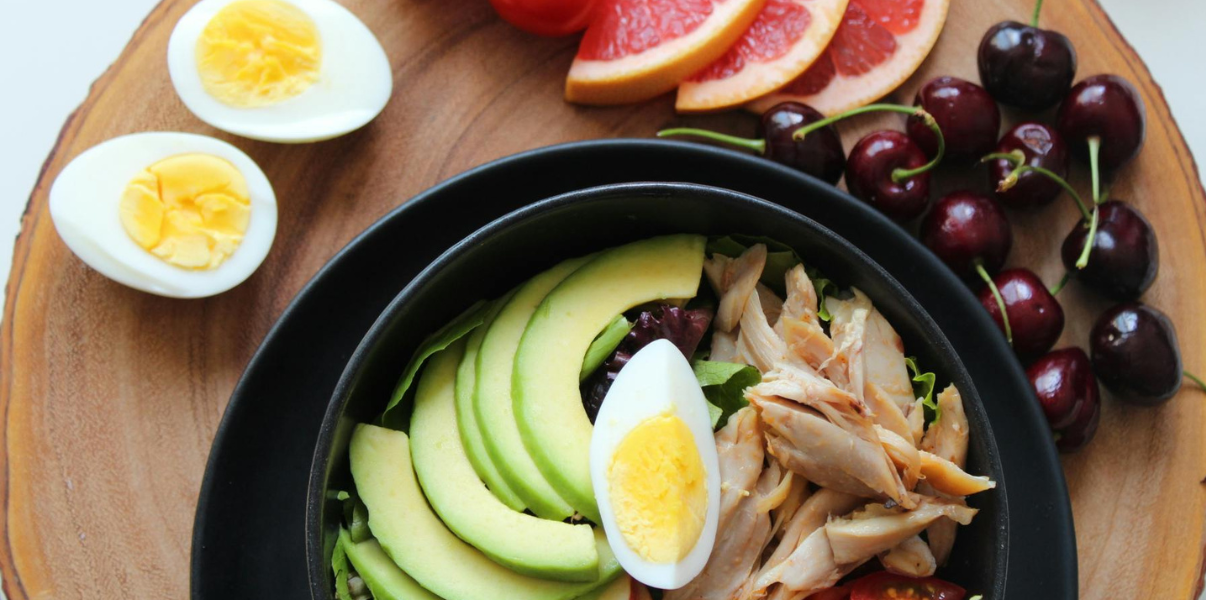
Whole, Nutrient-Dense Foods
Instead of fixating on calorie counts or strict portion sizes, focus on what you eat. Building your diet around real, whole foods provides your body with the nutrients it needs and naturally helps control hunger. Whole foods are those in or close to their natural state – for example, vegetables, fruits, nuts, beans, lean proteins like fish or poultry, eggs, dairy, and whole grains. These foods tend to be high in vitamins, minerals, protein, fiber, and healthy fats, which keep you full and satisfied on fewer calories than processed foods.
Equally important is avoiding heavily processed “diet” foods that are marketed as healthy. Just because a package says natural, low-fat, or gluten-free doesn’t guarantee the product is good for you. In fact, terms like “natural” are often used to make highly processed snacks seem wholesome. This marketing trick is part of the “health halo effect,” where a single healthy-sounding claim leads us to overestimate a product’s nutritional value. For truly healthy eating, choose real, whole foods instead of packaged bars or snacks with long ingredient lists. *Tip: Always read the ingredients – the first few ingredients listed make up the bulk of the product. If you see lots of added sugars or unrecognizable chemicals, it’s a sign the item is ultra-processed, no matter what the front label claims.
Recognize and Limit Ultra-Processed Foods
Ultra-processed foods are products made with refined ingredients and additives that you wouldn’t find in a home kitchen (things like hydrogenated oils, high-fructose corn syrup, flavor enhancers, and emulsifiers). They include sugary drinks, chips, candy, fast food, processed meats, and many boxed or packaged meals and snacks. These foods may be convenient and tasty, but they can seriously hinder your weight loss progress. Research has shown that people tend to consume more calories and gain more weight on a diet high in ultra-processed foods than on a diet based on unprocessed whole foods. In a controlled study, even when given the same calorie and nutrient content, participants eating ultra-processed meals ate excess calories because those foods don’t trigger fullness as effectively. In other words, ultra-processed products are designed to be easy to overeat – they melt in your mouth, hit the “bliss point” of sugar, fat, and salt, and leave you wanting more.
How can you spot ultra-processed foods? Start by checking the ingredients. If a product has a long list of ingredients with lots of fillers, preservatives, and names you can’t pronounce, it’s likely ultra-processed. Also, be wary of anything that seems far removed from its original form (for instance, potato chips vs. a real potato). Choosing whole, single-ingredient foods or minimally processed options whenever possible will automatically eliminate most of these weight-loss saboteurs. For example, opt for oatmeal topped with fruit and nuts instead of a sugary cereal, or choose plain, full-fat Greek yogurt with berries instead of a pre-sweetened parfait.

