What to Know About Hair Loss on Weight Loss Medications Like Ozempic and Wegovy
A few months into GLP-1 treatment, many patients encounter an unexpected and distressing side effect: significant hair loss. While alarming, medical experts say this shedding is typically temporary and linked to rapid weight loss rather than the medications themselves.
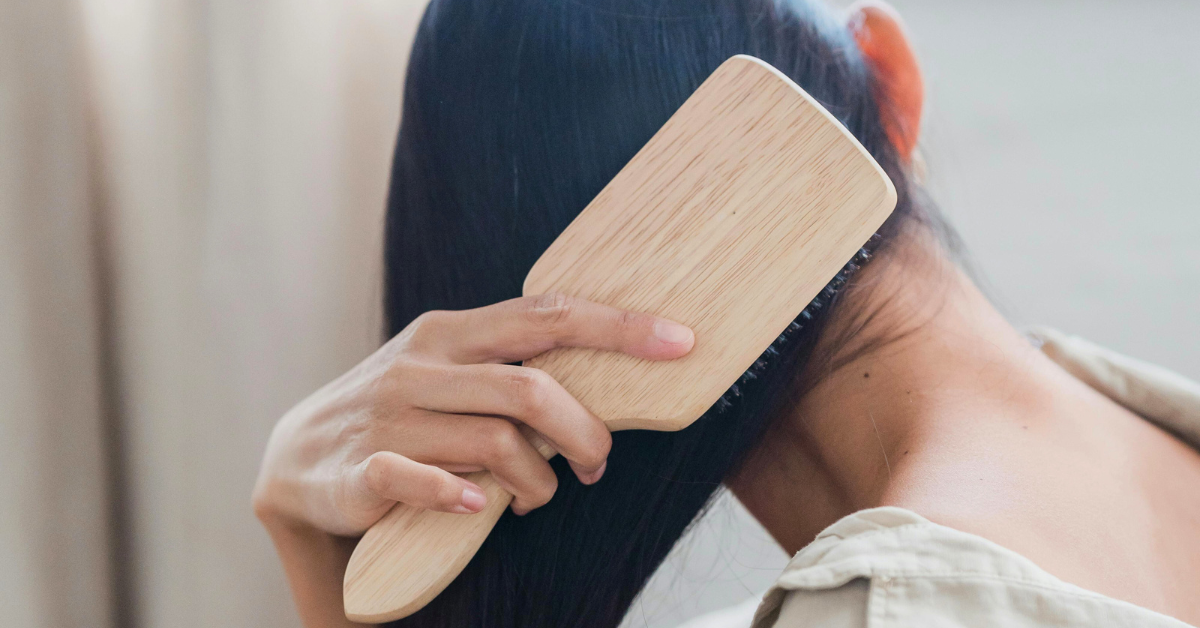
“One of the most distressing things patients tell me when they’re a few months into GLP-1 treatment isn’t about nausea or fatigue. It’s: ‘I’m losing my hair,'” says Dr. Jessica Duncan, a board-certified obesity medicine physician and Medical Director at Ivim Health. “And I get it. You’re finally making progress on something you’ve struggled with for years, and now you’re watching more hair than usual collect in your brush every morning.”
Understanding telogen effluvium
The hair loss associated with GLP-1 medications like semaglutide (Ozempic, Wegovy) and tirzepatide (Mounjaro, Zepbound) is typically due to a condition called telogen effluvium—a temporary shedding triggered by physical stress on the body.
Under normal conditions, approximately 85-90% of hair follicles are in an active growth phase while 10-15% rest in a dormant phase. When the body experiences significant stress—whether from surgery, illness, or rapid weight loss—more follicles shift into the resting phase simultaneously. Two to three months later, these hairs shed at once.
Research published in the Journal of the American Academy of Dermatology found that telogen effluvium can occur after any significant physiological stressor, including rapid weight loss of 10 pounds or more. A 2020 study in Dermatology Practical & Conceptual identified nutritional deficiencies and rapid weight changes as leading causes.
Data from the American Hair Loss Association indicates telogen effluvium is almost always reversible, with hair returning to normal growth patterns once the triggering stressor resolves or the body adapts.
The real culprit: rapid weight loss, not the drugs
Hair loss isn’t listed among common side effects in clinical trials for semaglutide or tirzepatide. Medical experts point instead to the rapid weight loss these medications facilitate.
A study in Obesity Surgery examining post-bariatric surgery patients found that 57% experienced telogen effluvium, with rapid weight reduction and inadequate protein intake as primary factors.
“When patients have a significantly reduced caloric intake, they may not be getting enough of the nutrients they need, especially protein, iron, biotin, zinc, and essential fatty acids,” Dr. Duncan explains. “Your body is in rapid change mode. Hair growth isn’t a priority when you’re in a calorie deficit and potentially not meeting basic nutritional needs.”
Key nutrients often deficient during GLP-1 treatment include:
Protein: Essential for hair structure (60-80g daily recommended)
Iron: Low ferritin levels correlate with hair thinning
Biotin and zinc: Support healthy hair growth
Essential fatty acids: Important for scalp health
When hair loss begins and how long it lasts
Patients typically notice increased shedding 2-6 months after starting GLP-1 therapy or after periods of rapid weight loss. This timing aligns with the hair growth cycle—the hair shedding at any given moment was predetermined to fall out based on what occurred months earlier.
The shedding phase usually lasts several months but typically resolves within 3-6 months once weight stabilizes, even if patients continue taking the medication.
“The hair you’re losing now was already predetermined to shed based on what happened months ago,” Dr. Duncan says. “Stopping the medication won’t immediately stop the shedding, and continuing it won’t necessarily make it worse as long as you’re addressing the nutritional factors.”
Patient experience
That’s exactly what happened with Bonnie, a patient at Ivim Health, a physician-led virtual obesity medicine practice delivering individualized GLP-1 treatment: “I first noticed hair loss when I was brushing or washing my hair. Of course, I was alarmed and immediately reached out to my care provider for guidance. They reassured me that this is a normal occurrence due to rapid weight loss, and advised I up my protein. I also started taking a hair growth supplement. Between the two my hair loss has slowed down dramatically.”
Other causes to rule out
While telogen effluvium is temporary, medical providers recommend evaluating patients for other potential causes of hair loss:
- Thyroid dysfunction (both hypothyroidism and hyperthyroidism)
- Iron deficiency anemia
- Hormonal changes or polycystic ovary syndrome (PCOS)
- Chronic stress or recent illness
“If you’re experiencing hair loss with other symptoms—extreme fatigue, cold intolerance, changes in your menstrual cycle, or if the shedding continues beyond a few months—see your doctor,” Dr. Duncan advises. “You’ll want to make sure to rule out other causes.”
Managing GLP-1-associated hair loss
Medical experts recommend several strategies to minimize and manage hair shedding during GLP-1 treatment:
Nutritional support: Prioritizing protein at every meal is critical. Even with reduced appetite, aim for proteins like Greek yogurt, eggs, or lean meat each meal. A multivitamin containing iron, biotin, and zinc may provide additional support, though patients should consult healthcare providers before starting a supplement.
“High-quality protein matters most,” Dr. Duncan emphasizes. “Make it non-negotiable at every meal.”
Gentle hair care: Avoiding tight hairstyles, excessive heat styling, and harsh chemical treatments during shedding phases can minimize additional stress on hair. Use wide-tooth combs and be patient during this phase.
Paced weight loss: Research suggests that losing 1-2 pounds per week is generally better tolerated than more rapid loss. Working with a healthcare provider to find the right medication dose for sustainable results may help minimize hair shedding.
Medication continuation: Experts generally don’t recommend stopping GLP-1 medications due to hair loss, as the shedding won’t stop immediately—the hair currently falling out was already predetermined to shed months earlier. But if continuing medication, addressing factors like nutrition, sleep, and stress will be key.
What patients should know
Hair loss associated with GLP-1 medications is typically temporary and resolves within 3-6 months. Clinical evidence points to rapid weight loss and nutritional deficiencies rather than the medications themselves as the primary cause.
“In my practice, patients who maintain adequate nutrition and give their bodies time to adjust slowly to weight loss almost always experience less hair shedding or a quicker return to normal,” Dr. Duncan says. “If you’re experiencing significant shedding, you should talk to your provider. But most people don’t need to abandon treatment that’s working for them.”
With proper nutritional support and time for the body to adjust, hair typically returns to normal growth patterns, even with continued GLP-1 therapy. The key is supporting the body through the transition rather than viewing hair loss as a permanent side effect.

