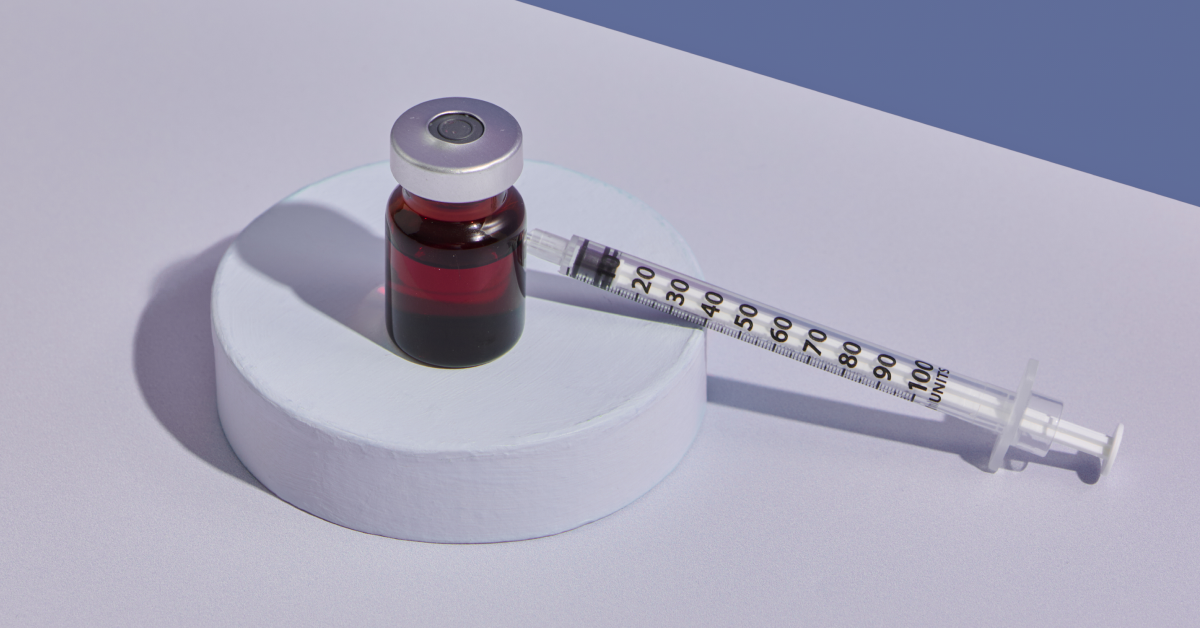
What to Know About Compounding Pharmacies Before You Buy Peptides Online
If you’ve spent time researching peptide therapy, you’ve probably already found places to buy peptides without a prescription. They’re not hard to find. The compounds are often sold as research chemicals, with disclaimers that they’re not for human use, and the prices are accessible. What’s harder to find is reliable information about what’s actually in those products.
Compounding pharmacies — the pharmacies that manufacture peptides for clinical use — operate under FDA oversight. They are inspected, required to document their manufacturing processes, and held to standards for purity, potency, and sterility. When Ivim prescribes a peptide, it comes from a pharmacy that has been specifically evaluated against those standards. As Dr. Jessica Duncan, our Chief Medical Officer, describes it: “We source our pharmacies very specifically, so we make sure that they meet all the regulatory guidelines and have gone through all the paces they need to go through.”
Gray-market sources operate entirely outside that framework. There is no regulatory requirement that the compound be what the label says, at the concentration stated, or manufactured under conditions that protect against contamination. Research into gray-market peptide supplies has documented inconsistencies in both concentration and purity that would make accurate dosing impossible, even if the person ordering knows exactly what they’redoing.
Dosing accuracy matters more in peptide therapy than many people realize. Peptides are titrated — the dose is calibrated to produce a specific response without overdoing it. Overdosing certain peptides can actually suppress the natural production you’re trying to support, working against the goal of the therapy. Underdosing produces no meaningful result. Starting from a product with unknown concentration removes any possibility of getting this right.
The sourcing question is worth asking of any provider, not just Ivim. Before starting a peptide protocol, know specifically where the compound is coming from and what quality verification exists. A provider who cannot answer that question in specific terms is not managing your protocol with the care it deserves.
Frequently Asked Questions
What is a compounding pharmacy?
A compounding pharmacy creates medications that are not commercially available or that need to be customized for a specific patient — a particular dose, formulation, or combination that a mass-produced drug doesn’t offer. Peptide therapy relies on compounding pharmacies because the compounds are not manufactured as FDA-approved commercial drugs for these uses. The quality and regulatory status of the compounding pharmacy matterssignificantly.
How can I verify that a compounding pharmacy is legitimate?
503A pharmacies are licensed, state-regulated pharmacies (not FDA-approved). 503B are FDA-registered. FDA-registered compounding pharmacies can be verified through the FDA’s database. Accreditation from organizations like PCAB (Pharmacy Compounding Accreditation Board) is an additional quality signal. If a provider prescribes a peptide for you, it is reasonable — and advisable — to ask the name of the pharmacy and verify its standing independently.
Why aren’t peptides available at regular retail pharmacies?
Retail pharmacies fill prescriptions for FDA-approved drugs manufactured by licensed pharmaceutical companies. Most peptides used in clinical therapy are not FDA-approved as drugs for the purposes people seek them for, which means they aren’t part of the commercial pharmaceutical supply chain. Compounding pharmacies exist specifically to manufacture compounds outside that pipeline, under a different but still regulated framework.
What should I ask a provider about their pharmacy partnerships?
Ask the name of the pharmacy, whether it is FDA-registered, and whether the provider has done any independent quality verification. A confident, specific answer is a good sign. Vague answers — or a deflection to the product label — are worth probing further. At Ivim, our pharmacy partnerships are a deliberate part of our clinical model, and our team can speak to them specifically.

