Limiting Side effects of GLP-1s

By: Taylor Kantor, MD Data from the New England Journal of Medicine, Elisaf et. al, and IVíM Health
Summary: GLP-1 medications, like semaglutide, require dose titration to avoid side effects. It’s important to follow guidelines on titration as side effects can increase drastically in frequency and severity when done too quickly. However, everyone responds a little differently to GLP-1 medications, sometimes requiring modification of dosing guidelines to limit side effects or improve effectiveness. This article discusses common side effects of GLP-1 therapy, how to combat them, and when to seek help from your provider. Read the recommendations below for tips and tricks from IVíM providers on managing side effects. If you still need support, you can contact our clinic line at 877.581.2210.
Dose Titration: Dosing instructions provided by your medical provider can be found on the bottle containing your vial of medication. Because different vials have different concentrations or strengths of medication, it is important to review how many units to inject based on the plan you select. For instance, 10 units of a 5mg/ml vial (.50mg) is the same as 25 units of a 2mg/ml vial (0.50mg). Be sure to record and take the appropriate units described by your medical provider on your prescription bottle (see below).
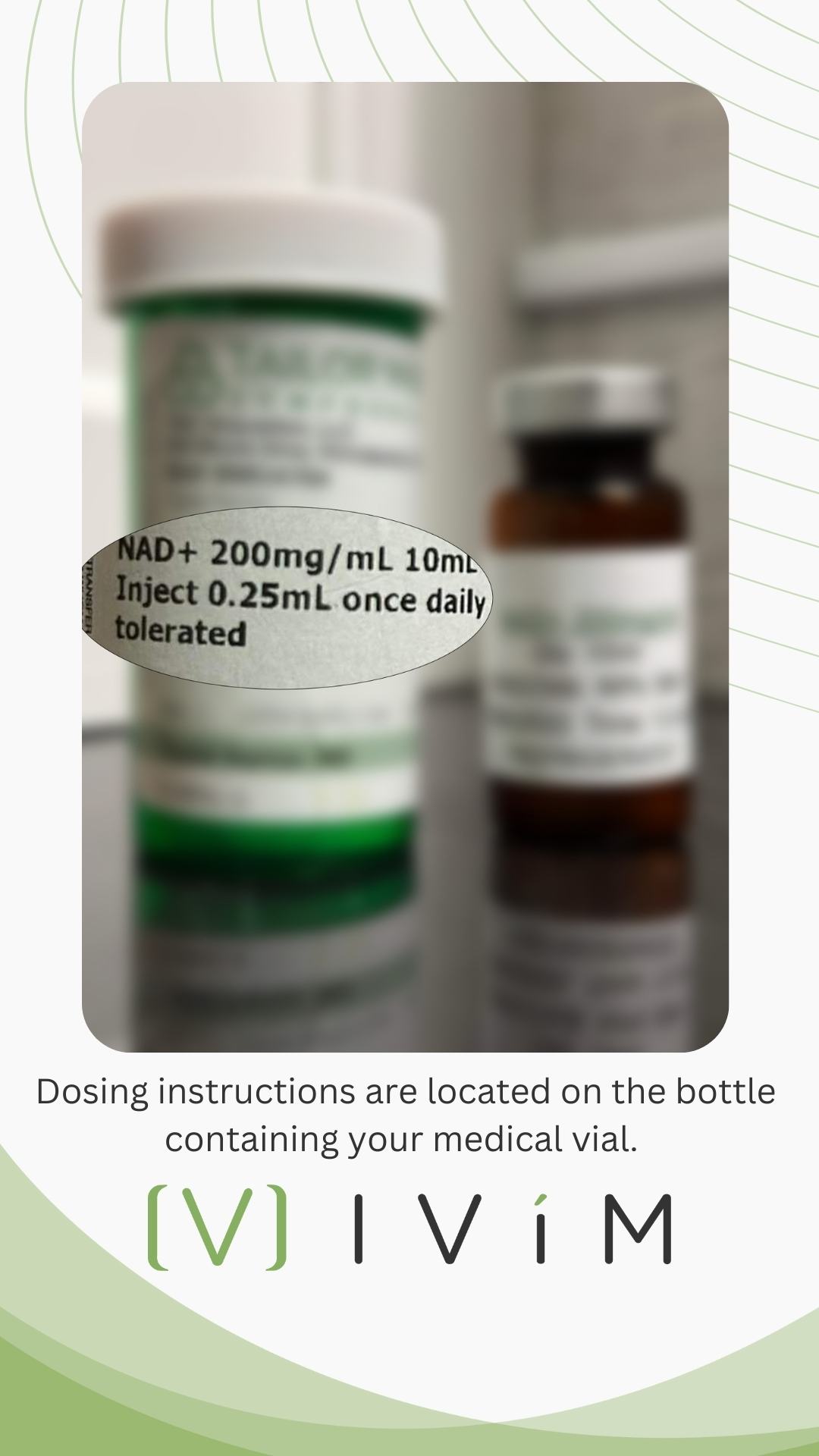
For standard dosing titration of semaglutide, Month 1 consists of an initial dose of 0.25mg of medication, approximately only 10% of the full, effective dose used for weight loss. This dose is doubled each month for the first 3 months, with month 2 increasing to 0.50mg and month 3 dosing increasing to 1.00mg. To complete titration, Month 4 the dose is increased to 1.7mg. And Month 5 or maintenance dosing of semaglutide consists of 2.5mg, or the full, effective dose for weight loss therapy.


The initial first 3 months of therapy vary in effectiveness and side effect rate for patients. Approximately 80% of patients feel the therapeutic effects of the medication at the 0.25mg dosing, with 95% responding to 0.50mg and almost all patients begin feeling effects of the medication at the 1.0mg dose. Side effects, on the other hand, tend to be most pronounced in the first few weeks of therapy and generally improve over time as your body gets used to the medication. Though, with each step-up in the titration process, you may notice initial changes, especially around the time of your first injection after a dose increase.
Common Side Effects: The most common side effects of GLP-1 medications include nausea, constipation or diarrhea, acid reflux, stomach pain, bloating or distension, headaches, and fatigue. Read the recommendations below for tips and tricks from IVíM providers on managing side effects. If you still need support, you can contact our clinic line at 248-860-0050.

Nausea/Vomiting: Nausea is one of the most common side effects of GLP-1 medications, occurring in approximately 20% of patients. To combat nausea, often lifestyle modification can abate most symptoms. Recognizing certain food groups or the time of day the nausea tends to be worse can be important as you can modify the foods you eat and alter when you perform your weekly injection to help with symptoms. For instance, if you experience bad morning nausea the day after your injection, you can try performing your next weekly injection in the morning, as side effects tend to increase in severity 6-12 hours after injection. Typical food groups that can worsen nausea include foods high in fat as well as foods high in sugar. Spicy foods may also worsen symptoms. In addition, many patients believe the area of injection can impact nausea severity with abdominal injections causing an increase in side effects. Though not backed by research, many patients feel altering the injection site to the thigh has lowered the impact of nausea severity and is another option you can try to reduce symptoms as this will not impact effectiveness of the medication. Vitamin B12 and Lipotropic injections can also help to reduce nausea symptoms. If side effects are too severe, especially if vomiting is occurring, your provider can call in a prescription to your local pharmacy for anti-nausea medication.
Diarrhea: Diarrhea is another common symptom of GLP-1 medications and is related to the altering of the motility of the GI system as well as how food is absorbed in the intestines. Rates of patients with diarrhea tend to increase with escalated dosing of the medication. While uncomfortable, for most patients, the diarrhea is mild and intermittent. Usually, dietary modification and avoiding certain food groups can help limit or eliminate symptoms. You can keep a food log and document which foods tend to worsen symptoms and avoid those food groups in the future. It is important to stay well hydrated if you are experiencing diarrhea. Fiber can also help with symptoms and harden stool. A usual recommendation for fiber is around 25-30g for women and 30-35g for men. If you are experiencing significant diarrhea with liquidy stools, it is extremely important to stay hydrated as there have been reports of kidney damage occurring in patients who had excessive vomiting and diarrhea resulting in significant dehydration.
Constipation: Many patients also experience constipation on GLP-1 medications due to slowing of the gastrointestinal (GI) system. If you are a patient who hasn’t experienced a bowel movement for several days, there are a number of things you can do to improve regularity. Again, fiber is incredibly important, with a recommendation of 25-30g for women and 30-35g for men. This will help keep your system regular and is something recommended within your functional nutrition program. Adding in mineralization to water can also help. Pink salt and lemon can be added to water. Over-the-counter magnesium and vitamin C supplements can also support a healthy GI system. You can also try incorporating a probiotic and increasing healthy fats like medium-chain triglyceride (MCT) or avocado oils. Finally, a sedentary lifestyle can lead to constipation. Try and incorporate movement, especially before and after meals. This can help keep you regular and assist with additional calorie burning.
Fatigue: Fatigue is another important side effect to consider on GLP-1 medications. This is partially in effect due to the medication as well as the resultant reduction in caloric intake. If you are a patient who experiences significant appetite suppression and struggles with having enough caloric intake, focus your diet on small, frequent portions of food with a nutrient and caloric-dense diet. Protein is the most essential nutrient in combating fatigue, and it is recommended to have approximately ⅓-½ of your body weight in protein (i.e. if you weigh 200 pounds, 66-100g g protein daily). It is commonly recommended to increase vitamin supplementation as well, especially with vitamin B12. This can be done through B12 injections or can also include lipotropic (fat burner) injections that contain essential nutrients that help with energy production.
When to seek help: If you fear your side effects are too severe and/or you are having significant nausea, vomiting, and/or diarrhea, you may be having an adverse reaction to the medication and should seek help immediately by contacting emergency medical services. Though rare, the most common indication for emergency medical support is an inability to stay well hydrated due to vomiting or diarrhea. GLP-1 medications have also been reported to potentially cause pancreatitis and/or gallbladder issues. Seek help immediately if you are concerned this may be occurring with you. Fore more information on GLP-1 medications and linked side effects and adverse reactions, you can visit:

