How To Hack Your Sleep
As we now know, sleep is a huge component of a healthy lifestyle, longevity, and overall well being. Without proper sleep, many of our bodily systems can’t operate optimally and we end up filling those voids with more detrimental habits like the overconsumption of caffeine, alcohol, stimulants and more. Here’s how to hack your sleep and get your sleep hygiene back on track:
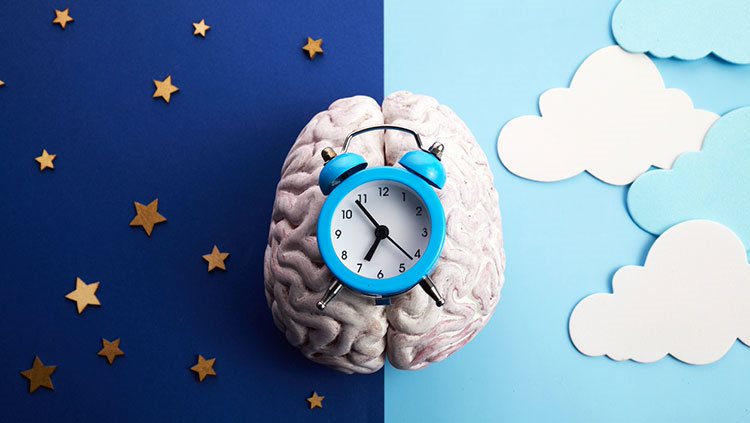
(Can we add image here of something resembling night/day. Or, can we turn this into another graphic. Example listed below my text)
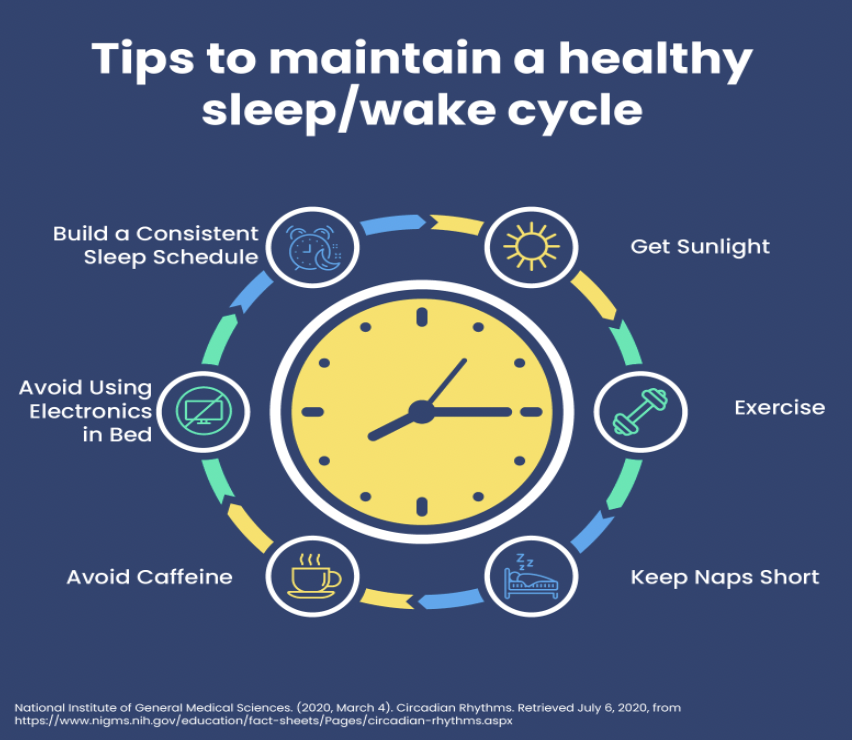
Practicing the same routine each night is a way to signal to the body to enter a restful state. For example; try eating dinner at roughly the same time each night, cutting off technology at least two hours before bed, getting into bed at roughly the same time, and making sure that time is before 11pm.
There is actually a cortisol surge that happens in the body after 11pm. Maybe you’ve felt that surge before. People often refer to it as their “second wind”. However, that cortisol surge often prevents you from getting restorative sleep.
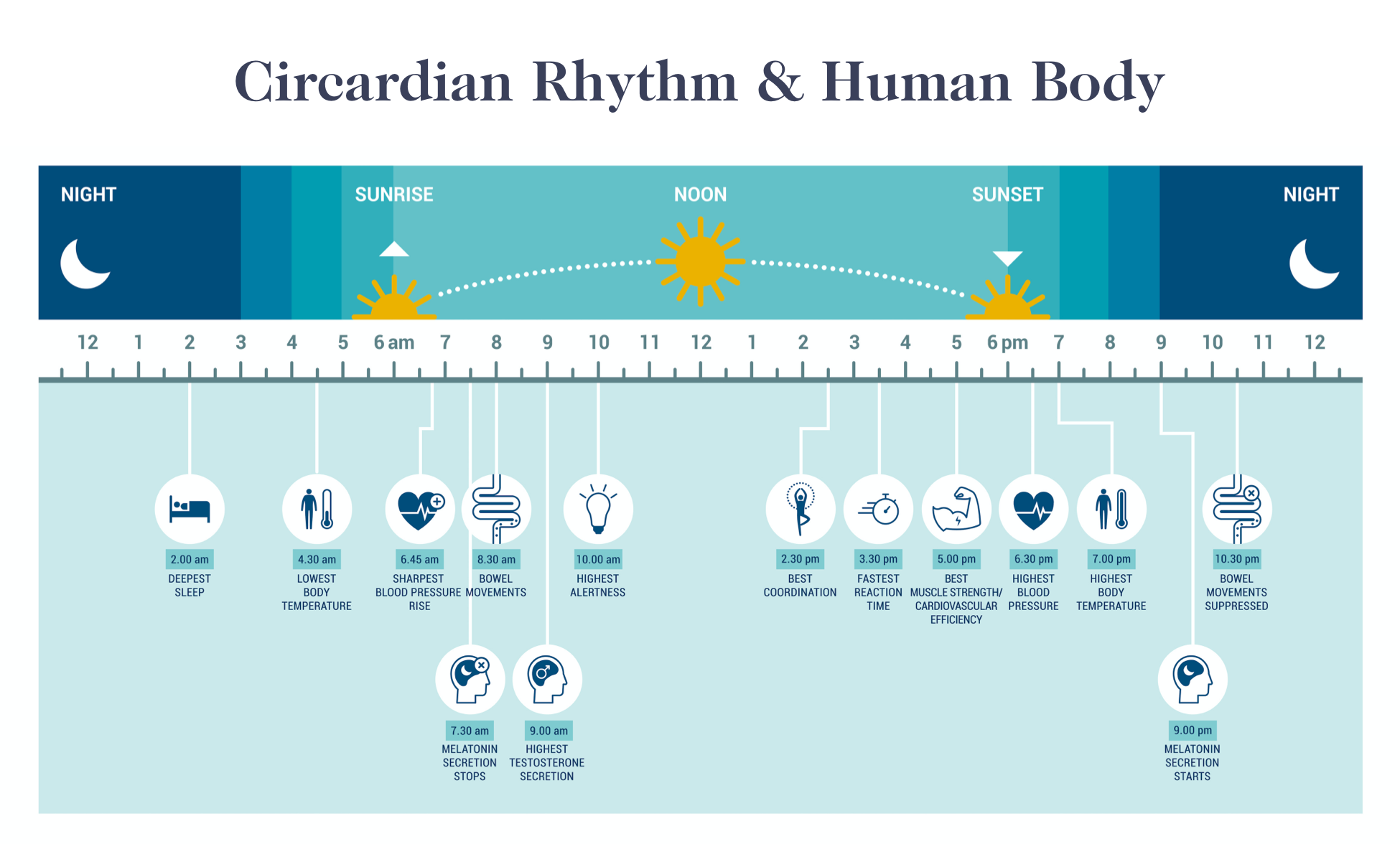
It’s not necessarily about how many hours of sleep you get per night, but how many of those hours were restorative. Restorative sleep is defined as our deepest period of sleep in the sleep cycle. It’s when the body and mind are able to heal best. Sometimes we can get 8 hours of rest, but if we’re not getting any restorative sleep, then those 8 hours can feel more like 4.
Removing any blue light emitting technology is super important. The blue lights from phones, ipads and computers will affect your sleep cycle negatively by suppressing the body’s release of melatonin and even throwing off the body’s circadian rhythm.
*According to a study done by Harvard Medical School, there is even a possible connection between sleep and the development of diabetes and obesity. In particular, the study showed that gradually shifting the timing of a subject’s circadian rhythm caused increases in blood sugar levels, prediabetic states, and lowered leptin levels, the hormone that leaves you feeling full after a meal.
Lastly, find time to get outside during the day and to move. Exposure to sunlight in the morning helps to set the circadian rhythm. Even a quick walk in the morning works wonders for sleep, believe it or not!
*Blue light has a dark side, Harvard Health Journal

