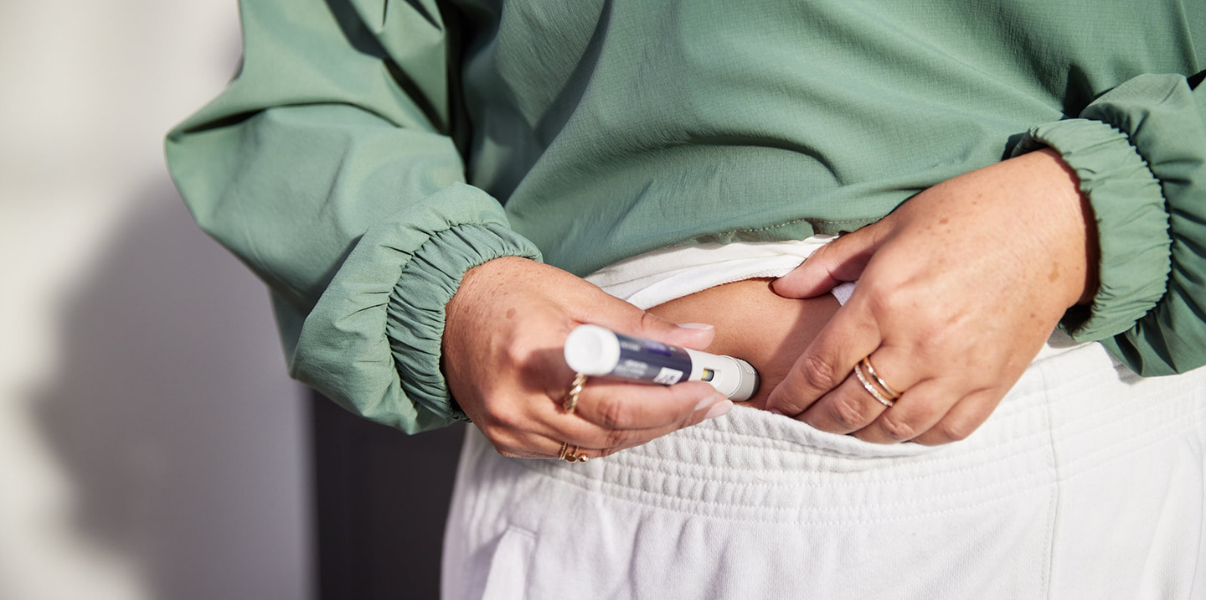
How GLP-1 Medications Impact Insulin and Blood Sugar
GLP-1 medications improve blood sugar control by helping the body use insulin more effectively and by supporting the pancreas to release insulin only when it’s needed. Instead of forcing insulin out all the time, GLP-1s enhance the body’s natural, glucose-dependent insulin response, meaning insulin is released primarily when blood sugar is elevated. At the same time, GLP-1s reduce excess glucose production from the liver and slow digestion, which helps prevent sharp blood sugar spikes after meals. The overall result is steadier blood sugar, less insulin demand, and improved insulin sensitivity over time.
Key ways GLP-1s support insulin function:
- Increase insulin release when glucose is high, not when it’s normal
- Improve insulin timing so blood sugar stays more stable
- Decrease liver glucose output, especially between meals
- Slow gastric emptying, leading to more gradual glucose absorption
- Improve insulin sensitivity, so cells respond better to insulin
Why this matters for weight loss and metabolic health:
- Lower insulin levels make it easier for the body to access stored fat
- Fewer blood sugar swings means less hunger and fewer cravings
- Reduced insulin resistance supports long-term metabolic improvement, not just short-term weight loss
- More stable glucose improves energy, focus, and mood
Your medication is helping your insulin work smarter, not harder. Working toward balanced meals that include protein, fiber, and healthy fats, along with incorporating movement, helps teach your body to stay insulin-sensitive long term.
Bednarz K, Kowalczyk K, Cwynar M, Czapla D, Czarkowski W, Kmita D, Nowak A, Madej P. The Role of Glp-1 Receptor Agonists in Insulin Resistance with Concomitant Obesity Treatment in Polycystic Ovary Syndrome. Int J Mol Sci. 2022 Apr 14;23(8):4334. doi: 10.3390/ijms23084334. PMID: 35457152; PMCID: PMC9029608.
Zheng, Z., Zong, Y., Ma, Y. et al. Glucagon-like peptide-1 receptor: mechanisms and advances in therapy. Sig Transduct Target Ther 9, 234 (2024). https://doi.org/10.1038/s41392-024-01931-z

