Finding Fiber

Learning the best sources and the power of including it into your diet.
is essential for total body health and it also provides food for the good gut bacteria that work within you. Today, the average American eats between 8-10 grams of fiber a day. Severely less than our hunter/gatherer ancestors, who accumulated nearly 100 grams.
Fiber can do so much for the body, even actually preventing obesity and all the chronic disease of aging. Fiber slows the rate at which food enters your bloodstream and increases the speed at which food exits your body through the digestive tract. That keeps your blood sugar and cholesterol in ideal balance — and quickly eliminates toxins from your gut and reduces your appetite.
You should shoot to get 30 to 50 grams of fiber into your diet every day. The type of fiber you choose is important, too.
Soluble fiber can be found in foods like fruits, vegetables, beans, nuts, seeds and more. Our gut bacteria actually use this soluble fiber for so much good, like lowering cholesterol, lowering blood sugar, balancing hormones, and even removing excess estrogen.
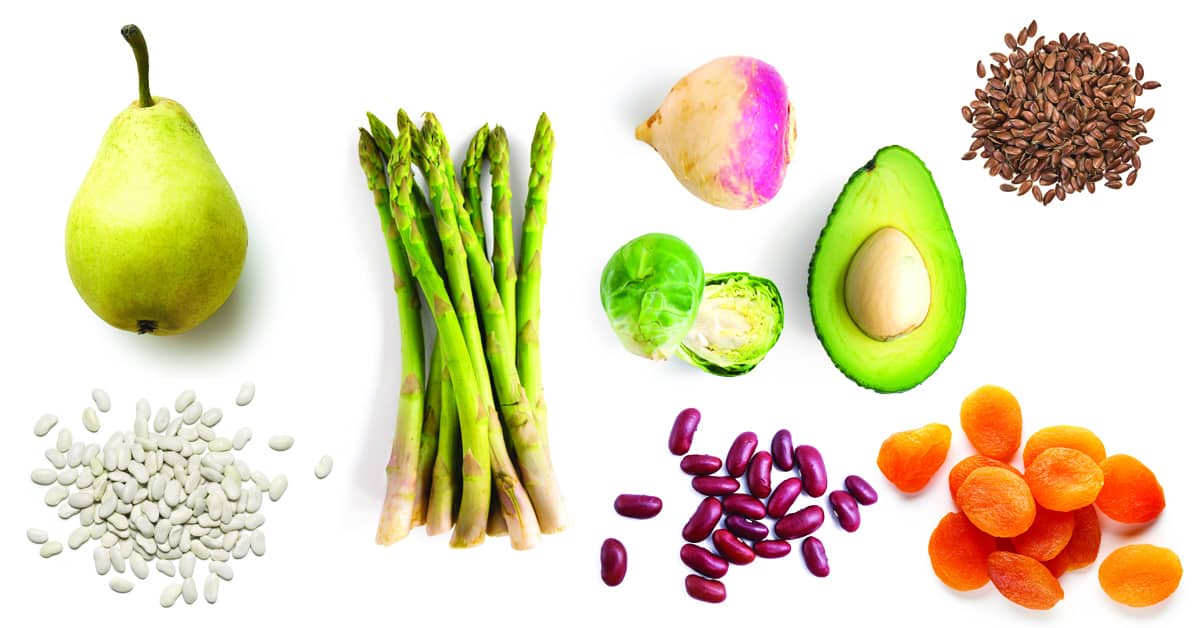
Fruits and vegetables reduce disease risk and may help you lose weight too. Fruits and vegetables are loaded with health-promoting antioxidants, vitamins, minerals, fiber, and phytonutrients.
A huge body of evidence from the past 20 years shows that consuming more produce can help prevent a wide range of health problems, including diabetes, stroke, heart disease, high blood pressure, neurodegenerative disease, and cancer. Try to eat a wide rainbow of colors everyday.
The following is a rundown of fruits and vegetables sorted by color, along with the phytonutrients they contain, and which foods you’ll find them in.
Red: Rich in the carotenoid lycopene, a potent scavenger of gene-damaging free radicals that seems to protect against prostate cancer as well as heart and lung disease. Found in: strawberries, cranberries, raspberries, tomatoes, cherries, apples, beets, watermelon, red grapes, red peppers, red onions
Orange and yellow: Provide beta cryptothanxin, which supports intracellular communication and may help prevent heart disease. Found in: carrots, sweet potatoes, yellow peppers, oranges, bananas, pineapple, tangerines, mango, pumpkin, apricots, winter squash (butternut, acorn), peaches, cantaloupe, corn
Green: These foods are rich in cancer-blocking chemicals like sulforaphane, isocyanate, and indoles, which inhibit the action of carcinogens (cancer-causing compounds). Found in: spinach, avocados, asparagus, artichokes, broccoli, alfalfa sprouts, kale, cabbage, Brussels sprouts, kiwi fruit, collard greens, green tea, green herbs (mint, rosemary, sage, thyme, and basil)
Blue and purple: Have powerful antioxidants called anthocyanins believed to delay cellular aging and help the heart by blocking the formation of blood clots. Found in: blueberries, blackberries, elderberries, Concord grapes, raisins, eggplant, plums, figs, prunes, lavender, purple cabbage
White and brown: The onion family contains allicin, which has anti-tumor properties. Other foods in this group contain antioxidant flavonoids like quercetin and kaempferol. Found in: onions, cauliflower, garlic, leeks, parsnips, daikon radish, mushrooms

