A Guide To Weight Loss
At IVIM, our goal is to help our patients reset their metabolism and achieve optimal wellness by helping them incorporate balanced nutrition, natural supplementation, and healthy lifestyle changes. We have developed the following list of principles, according to science, which will help patients achieve better hormone balance and weight loss. This getting started guide of principles focuses on lowering inflammation and boosting metabolism so that patients will get a strong start on their wellness plans and achieve sustainable weight loss.
1. Protein is the most important macronutrient to get right and it’s important to prioritize quality sources of protein (organic & pasture raised sources are best)
Research consistently shows that protein helps you feel full longer and, as a result, lose weight. That’s, in part, because it takes longer for the body to break down protein in comparison to carbs or fat. Protein also stimulates the release of satiety hormones in the gut. So when you eat protein, you naturally tend to eat less. And it makes a big difference.
Protein also makes it easier to build and maintain muscle. Without adequate protein, our bodies just can’t function well. We need amino acids (protein’s building blocks) to produce important molecules like enzymes, hormones, neurotransmitters, and antibodies.When we don’t eat enough protein, our bodies plunder it from elsewhere, like our muscles, resulting in muscle loss. This is especially true if we’re eating fewer calories than we’re burning. On the flip side, a high-protein diet seems to maximize muscle protein synthesis, which should lead to more muscle gain for people who are strength training and consuming enough calories.
The right amount of protein for each person varies on a number of factors such as age, gender, activity level, and goals. The recommended minimum amount of protein to consume daily is 0.36 grams per pound of body weight. A good goal to start would be to make sure every meal you consume has a source of protein included.
2. Focus on QUALITY over quantity & consumption of nutrient rich foods. Consume whole foods rather than processed foods.
Minimally-processed whole foods in the closest state to their source contain a vast selection of vitamins, minerals, phytonutrients (plant nutrients), and zoonutrients (animal nutrients). A wealth of research consistently points to one resounding conclusion:
Humans are healthier when they consume more whole foods and fewer refined ones.
This is because the greater the degree of processing, the higher the likelihood that a food:
Has lost nutritional value, such as fiber, essential fatty acids, vitamins, minerals, phytonutrients, and zoonutrients.
Has gained additives, preservatives, fillers, sugar, sodium, unhealthy fats, and/or refined starch.
This is a lot easier to see when you compare specific whole foods to their more highly-processed equivalents. As you can see below, the less-processed steak and potato dinner contains about 350 fewer calories and a fraction of the sodium as the fast food burger with fries, as well as a heck of a lot more protein, fiber, and other nutrients.
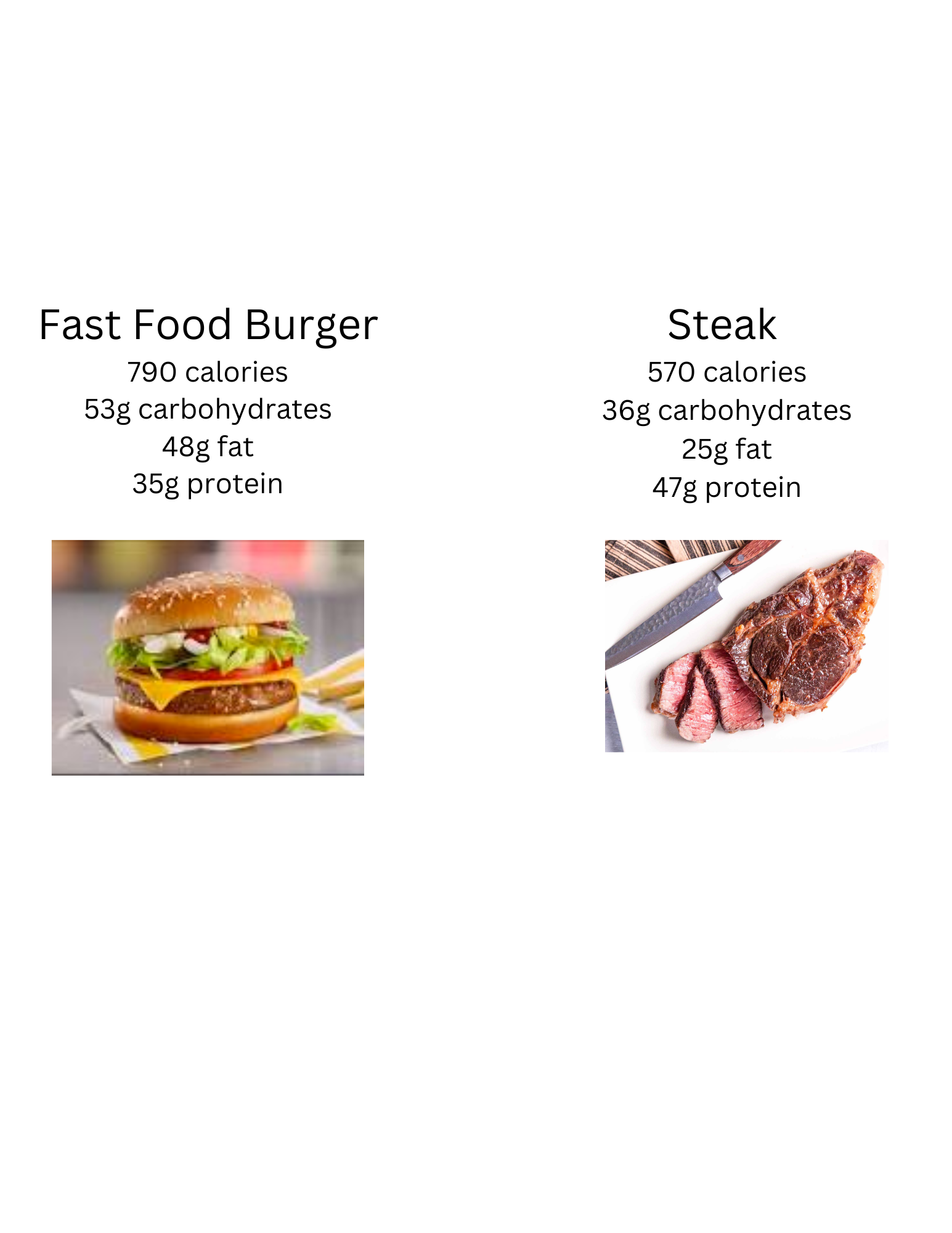
So it makes sense that a diet rich in minimally-processed whole foods can lead to lower rates of heart disease, cancer, depression, and type 2 diabetes, among other health problems. Minimally- processed whole foods are also rich in fiber and/or protein—two nutrients that help bolster satiety. And they tend to have fewer calories per serving than highly-processed refined foods. Both traits make it easier for us to control our weight.
Minimally-processed whole foods may be what all successful diets share in common.
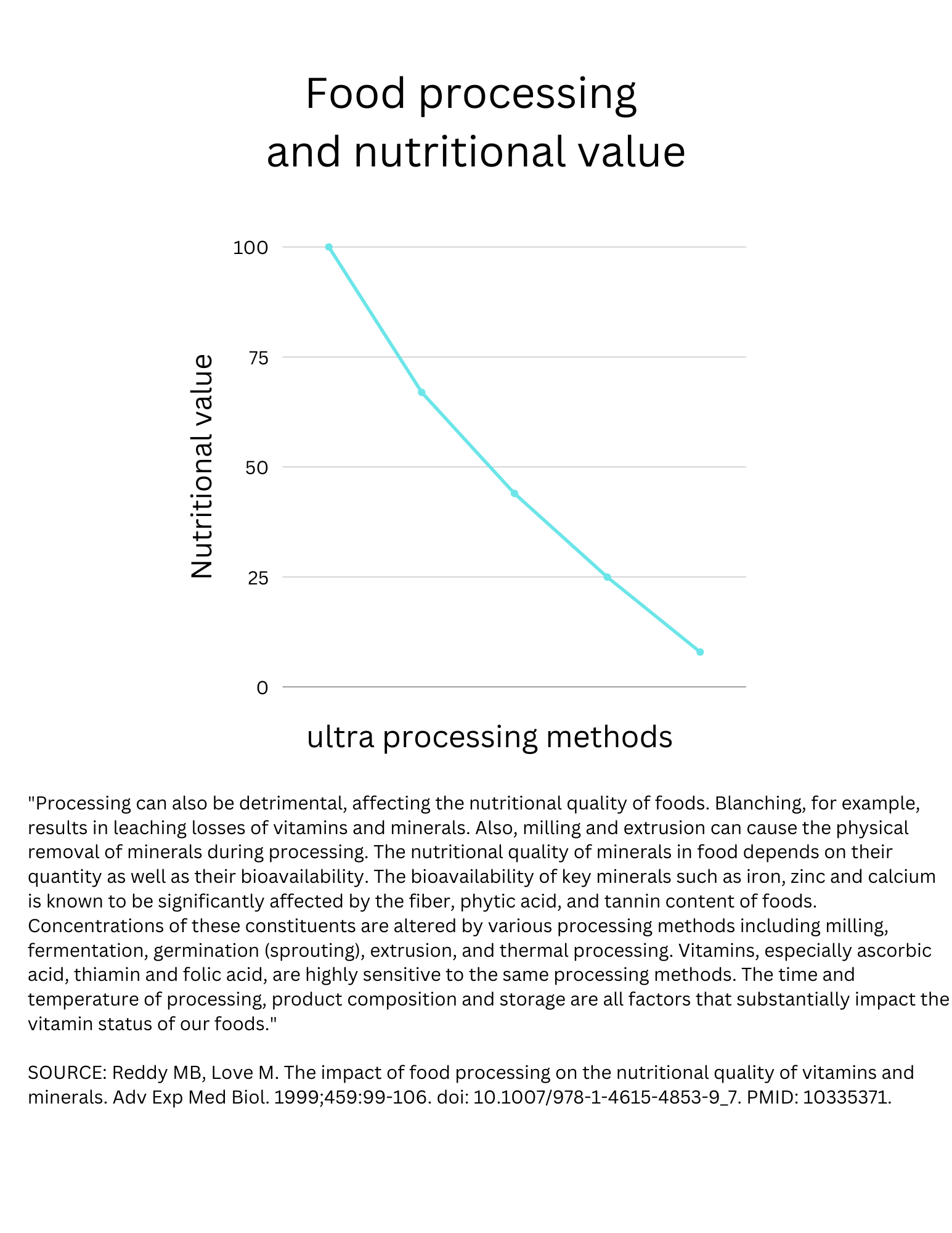
Recent studies have shown that participants experienced the same amount of weight loss— regardless of carb or fat intake—as long as they minimized their consumption of refined sugars, flours, and other processed foods while emphasizing whole foods like vegetables. They also experienced similar improvements in blood pressure, triglycerides, insulin, glucose, and cholesterol levels. However, progress is much more important than perfection. As you can see from the graphic below, as food becomes more processed and refined, it begins to lose its nutritional value.
**For reference on sugar intake, aim to consume no more than 25 grams per day for women and 36 grams per day for men.
3. Emphasize high fiber intake and consuming nutrients from a wide range of fruits & vegetables. Focus on eating the rainbow each day!
**For reference on fiber intake, women should consume a daily minimum of 25 grams of fiber and men should consume a daily minimum of 38 grams of fiber.
Fruits and vegetables reduce disease risk and may help you lose weight too. Fruits and vegetables are loaded with health-promoting antioxidants, vitamins, minerals, fiber, and phytonutrients.
A huge body of evidence from the past 20 years shows that consuming more produce can help prevent a wide range of health problems, including diabetes, stroke, heart disease, high blood pressure, neurodegenerative disease, and cancer. Try to eat a wide rainbow of colors everyday.
Following is a rundown of fruits and vegetables sorted by color, along with the phytonutrients they contain, and which foods you’ll find them in.
Red: Rich in the carotenoid lycopene, a potent scavenger of gene-damaging free radicals that seems to protect against prostate cancer as well as heart and lung disease. Found in: strawberries, cranberries, raspberries, tomatoes, cherries, apples, beets, watermelon, red grapes, red peppers, red onions
Orange and yellow: Provide beta cryptothanxin, which supports intracellular communication and may help prevent heart disease. Found in: carrots, sweet potatoes, yellow peppers, oranges, bananas, pineapple, tangerines, mango, pumpkin, apricots, winter squash (butternut, acorn), peaches, cantaloupe, corn
Green: These foods are rich in cancer-blocking chemicals like sulforaphane, isocyanate, and indoles, which inhibit the action of carcinogens (cancer-causing compounds). Found in: spinach, avocados, asparagus, artichokes, broccoli, alfalfa sprouts, kale, cabbage, Brussels sprouts, kiwi fruit, collard greens, green tea, green herbs (mint, rosemary, sage, thyme, and basil)
Blue and purple: Have powerful antioxidants called anthocyanins believed to delay cellular aging and help the heart by blocking the formation of blood clots. Found in: blueberries, blackberries, elderberries, Concord grapes, raisins, eggplant, plums, figs, prunes, lavender, purple cabbage
White and brown: The onion family contains allicin, which has anti-tumor properties. Other foods in this group contain antioxidant flavonoids like quercetin and kaempferol. Found in: onions, cauliflower, garlic, leeks, parsnips, daikon radish, mushrooms
4. Incorporate Healthy Fats
Healthy fats are vital to our overall health and essential to weight loss. For decades, doctors advocated a low-fat diet for your waistline and your health. Even though research now shows it’s not true, many women still believe that to lose fat, they must avoid fat. Healthy dietary fats stabilize hunger, mood and hormones — keeping us happier and less hungry. They also help prevent wrinkles! Good fats — including saturated fats — are essential for heart health and brain function. In short, you need fats to feel better and live longer. Fat helps with satiety, thus controlling hormones, keeps people happier and also our skin nicer.
The best sources of good fat:
- Grass-fed red meat
- Grass-fed butter and ghee
- Coconut oil
- High quality >70% cacao dark chocolate (watch added sugar)
- Pastured egg yolks
- Krill oil, wild salmon and sardines
- Extra virgin olive oil
- Avocados and avocado oil
- MCT oil

