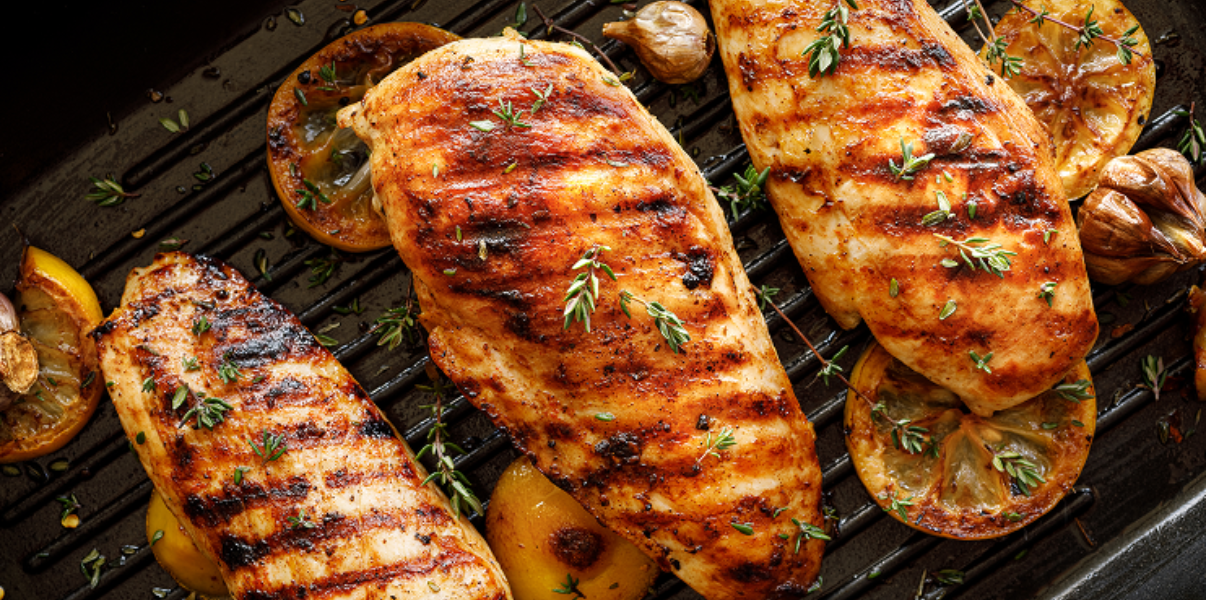
Protein 101
Protein is one of the most important nutrients to get right. It gives your body the building blocks it needs to make muscle, skin, hair, blood, enzymes, and hormones. Getting enough protein helps you feel full longer, supports healthy weight management, builds lean muscle, and keeps you strong and energized.
Are You Getting Enough?
Most people aren’t. When you’re trying to lose weight, exercise regularly, or maintain muscle as you age, your protein needs go up.
For most adults, a good starting point is:
• Women: 30–35 grams of protein per meal
• Men: 40–45 grams of protein per meal
This equals roughly 1.2–1.6 grams of protein per kilogram of body weight per day. For older adults or those who are actively losing weight, protein needs can be higher—sometimes up to 1.6–2.0 grams per kilogram per day.
Your exact needs can vary based on age, activity level, and goals.
Choose Quality Sources
Include a source of protein at every meal. Choose minimally processed, high-quality options like pasture-raised eggs, wild-caught fish, grass-fed meats, and whole-food plant proteins such as beans, lentils, chickpeas, quinoa, nuts, and seeds.
When possible, look for organic, grass-fed, or pasture-raised foods. The closer your food is to its natural source, the more nutrients it tends to retain.
Get to know where your food comes from—supporting local farmers and understanding their practices helps you make more informed choices.
Key Takeaway
Protein is the foundation of strength, energy, and healthy aging. Prioritizing it at each meal helps preserve muscle, supports blood sugar balance, and keeps you feeling full and focused throughout your day.
Shopping for Clean Protein
Not all protein sources are created equal.
Animal-based proteins from animals raised in their natural environment and fed their natural diet are often more nutritious. Grass-fed and pasture-raised meats usually have more healthy fats and antioxidants than conventionally raised options.
Plant-based proteins are best when eaten close to their whole form. Foods like beans, lentils, and soybeans offer more nutrients and are less processed than products like soy milk or tofu.
Protein powders and bars can be helpful if you have trouble getting enough protein from food alone, but many contain added sugars, artificial flavors, or unnecessary fillers. Look for brands with short ingredient lists and clean, simple ingredients you recognize. The fewer additives, the better.

