
Athletic Performance
I feel ready for what’s next.
Changes in strength, stamina and endurance can leave you wondering, “Why do my workouts feel harder?” An Ivím provider looks at the factors that may be affecting your physical performance and recovery.
What affects athletic performance
Athletic performance is about more than training. Nutrition, movement, sleep and overall health can all play a role. Understanding the full picture helps guide a care plan.

One care team, evaluating all of it
Your history, your labs, and your treatment, all in one place.

Weight Loss
Strength and activity goals can be part of a weight loss plan. Your provider can help you develop a plan for both.

Women’s Hormone Health
Changes in energy, strength, and recovery can occur alongside other hormone-related symptoms. Considering these changes together can help your provider better understand potential contributing factors and develop a care plan tailored to your needs and goals.

Men’s Hormone Health
Low testosterone can contribute to fatigue, slower recovery, and reduced muscle mass. Ivím evaluates your symptoms, medical history, and lab results together to determine whether treatment is appropriate for you.
Prescription options
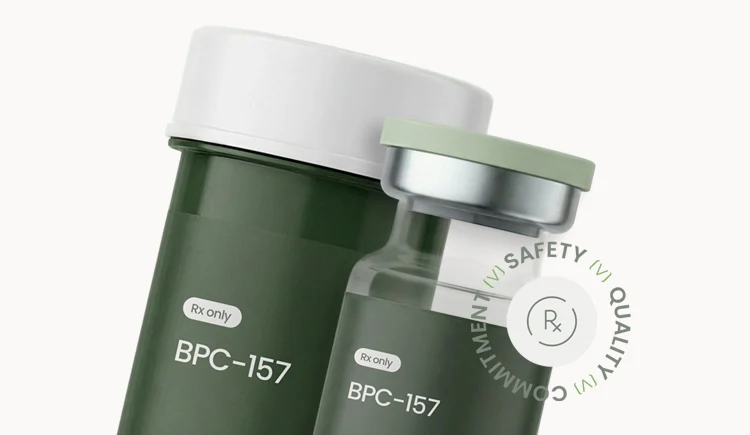
BPC-157
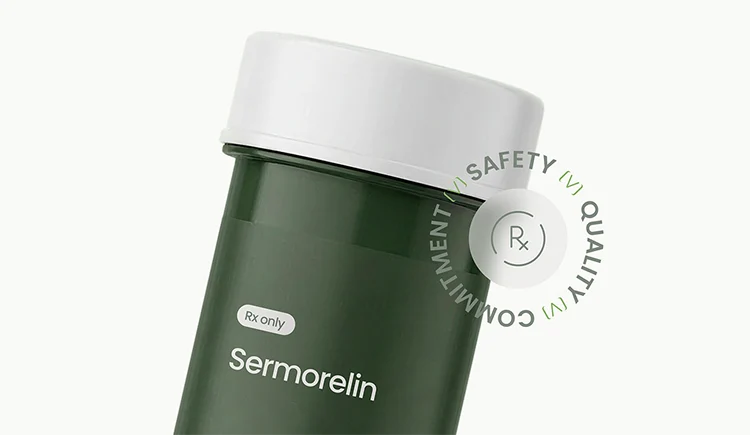
Sermorelin
Prescription options may include compounded medications. Compounded drugs are permitted under federal law but are not FDA-approved and are not reviewed by the FDA for safety, effectiveness, or quality. Some medications, including sermorelin and certain peptides, are prohibited by WADA, the NCAA, and many professional and amateur sports organizations. If you compete in tested sport, tell your provider and check your organization’s rules before starting treatment. Some medications may be prescribed off-label. Prescription required after provider evaluation. Not available in all states.
Available without a prescription
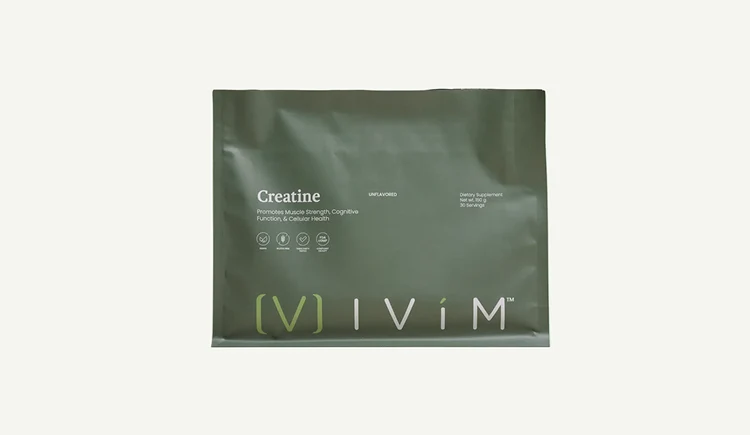
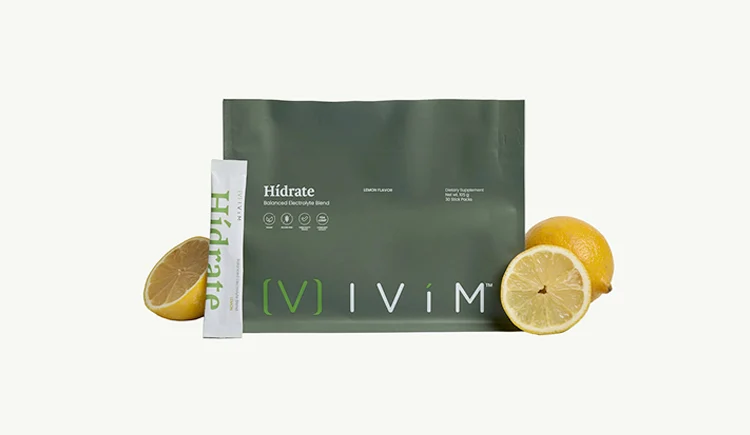
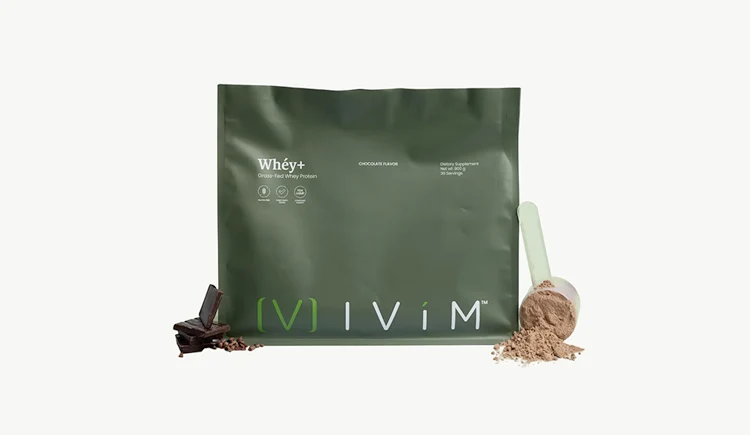
These statements have not been evaluated by the Food and Drug Administration. This product is not intended to diagnose, treat, cure, or prevent any disease.
How care at Ivím works
Ivím membership gives you access to your care team and to Ivím’s programs. Medication is billed separately.
Care you can trust
4.9 Trustpilot
Rated 4.9 / 5 based on 39,735 reviews on Trustpilot. Showing our 5 star reviews.
Rating and reviews from TrustPilot reflect overall Ivím experience, not any specific medication or outcome.

“A lot of my patients are already putting in the work, and they want to know why their body isn’t keeping up. Performance depends on more than effort. Hormones, nutrition, sleep, and recovery all play a role, and they aren’t always obvious from the outside. At Ivím, we start by hearing your concerns, understanding your history and what you want your body to be able to do. Then we build the plan from there.”Jessica Duncan, MD, DABOMChief Medical Officer
